Eco-friendly, and fair
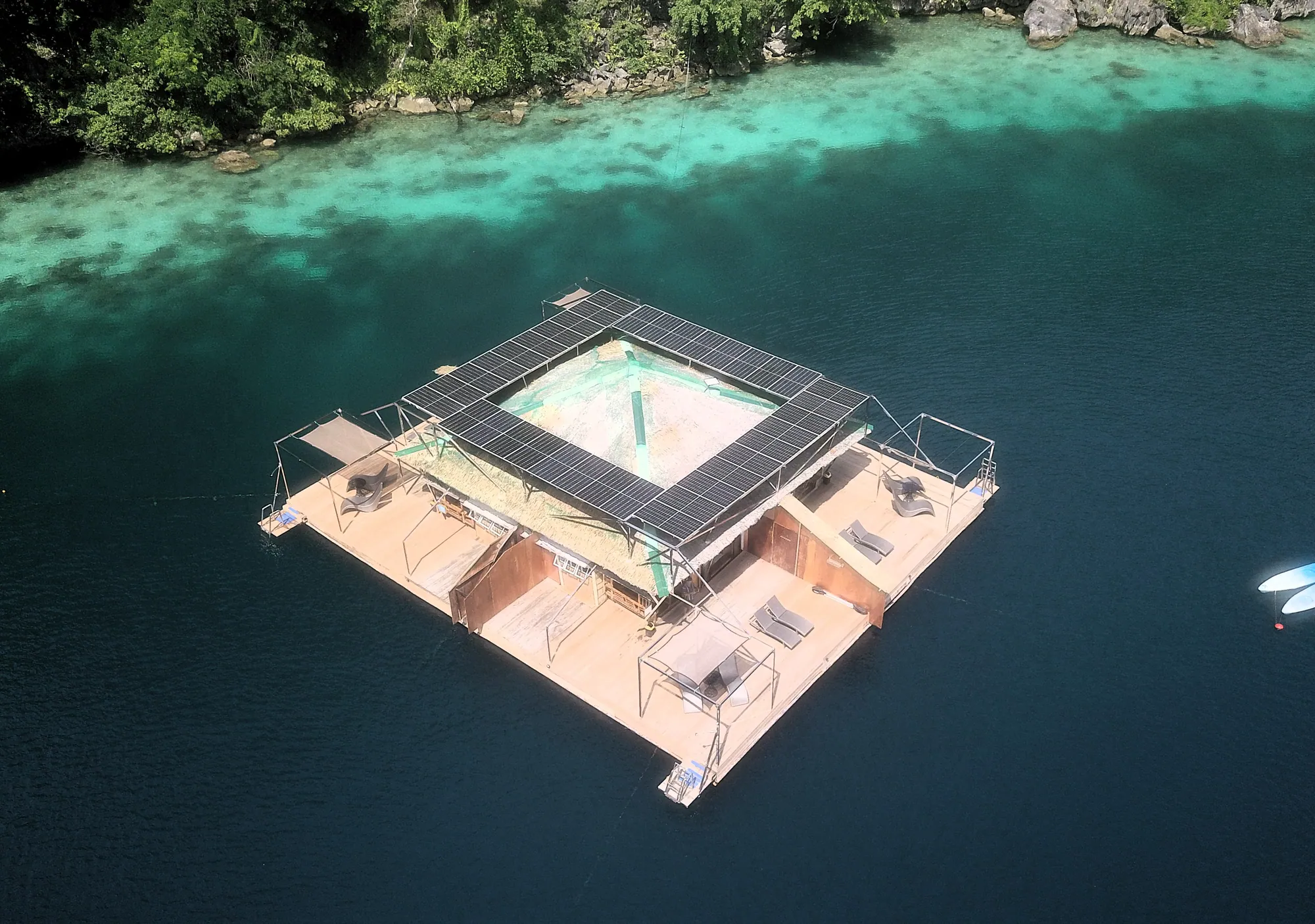
Off the grid, on purpose
National Reserve, Marine Reserve, UNESCO Biosphere Reserve — and the ancestral land of the Tagbanua Tribe. The houseboats leave nothing behind.
How it works
Sustainable, in detail
Our staff work shifts that cover 24 hours a day — sixteen of them on the night shift alone.
Over 200 kW of solar
Panels on every roof, with lithium batteries and inverters: 24-hour 220 V electricity, light and fresh water.
Fresh water, made here
There is no fresh water on Coron Island, so the houseboats produce their own — biodegradable natural soaps only.
Nothing into the sea
Toilets, showers, sinks and kitchen drain into holding tanks in the hulls; boats suck them dry daily and take them to a multi-stage septic tank on another island.
Inspected
DENR, PCSD and the Municipality have inspected the houseboats and their waste-management system.
Reef-safe by request
To protect the coral and marine life, guests use only 100 % biodegradable natural sun cream — available from us.
Quiet, even with air-con
Generators sit on a separate houseboat outside each lagoon, joined by hundreds of metres of submarine cable.
Coron Island & the Tagbanua
The tribe that owns the lagoons
Declared a National Reserve in 1967, a Marine Reserve in 1978 and a UNESCO Biosphere Reserve in 1990, Coron Island and its waters are recognised by Philippine law as ancestral land of the Tagbanua — believed to descend from the Tabon Man, whose 20,000-year-old remains were found nearby.
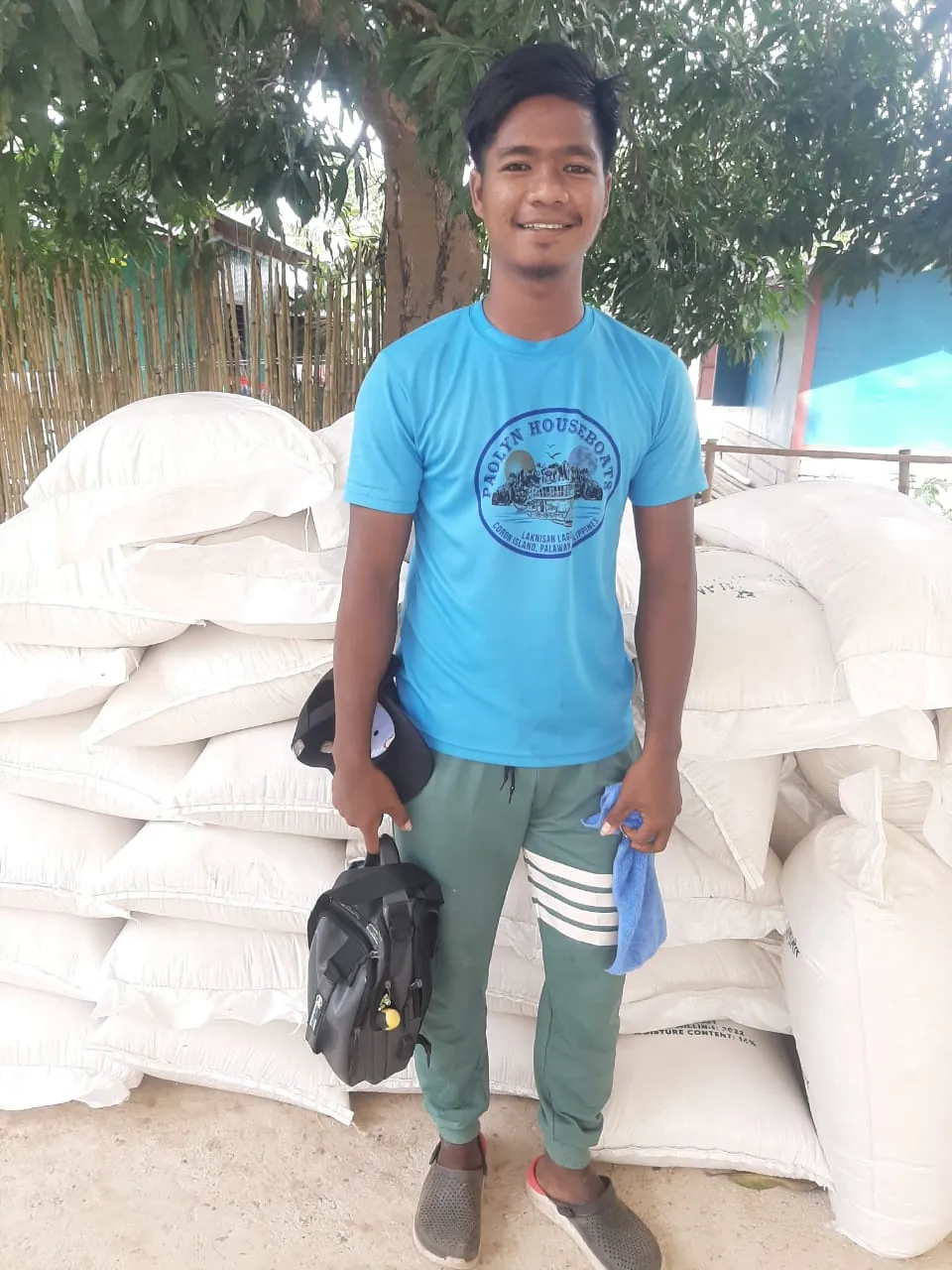
Paolyn pays the tribe a multi-million-dollar long-term lease for the lagoons, employs over 300 mostly Tagbanua young people on salaries far above the average, and offers interest-free loans and advance payments to the tribe’s foundation.
Read “Coron Island, the Tagbanwa Tribe and Paolyn” (PDF)
- 304people employed, from only eight houseboats
- 1,000+sacks of rice (50,000 kg) donated, Oct 2021 – Feb 2023
- 2,500tribe members whose medicines are paid for
- 2villages supported: Cabugao and Banuang Daan
Our side projects
We love all beings
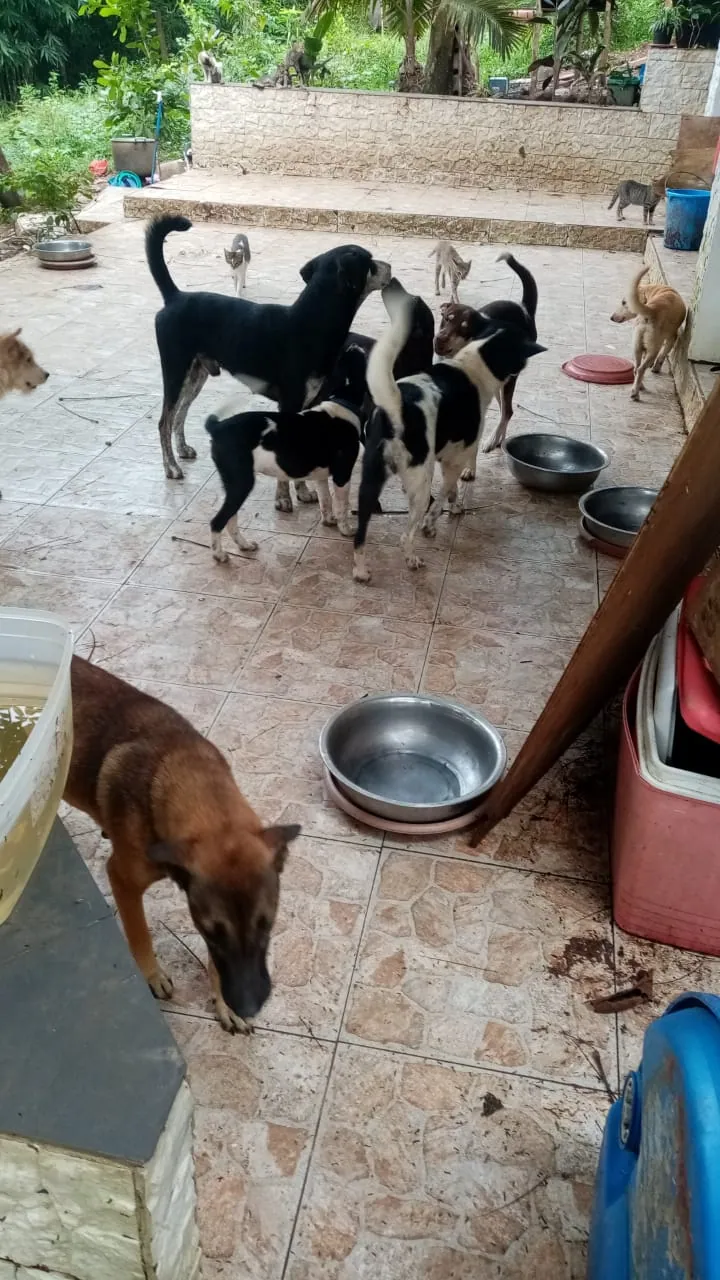
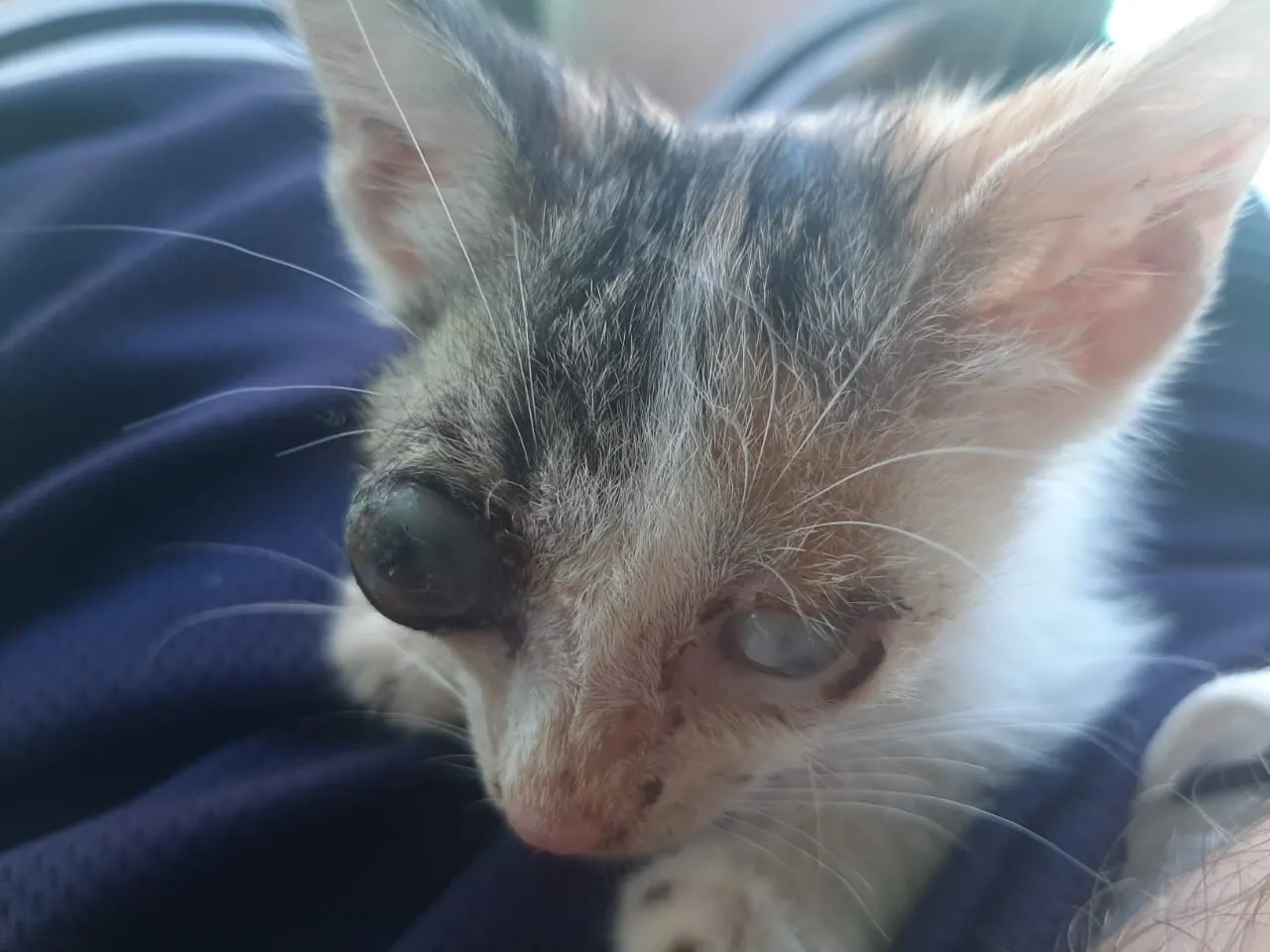
Hospital bills, school expenses and repairs, burials — and a rescue centre near Coron town where street dogs and cats run free on 5,000 m² of land, with no cages.